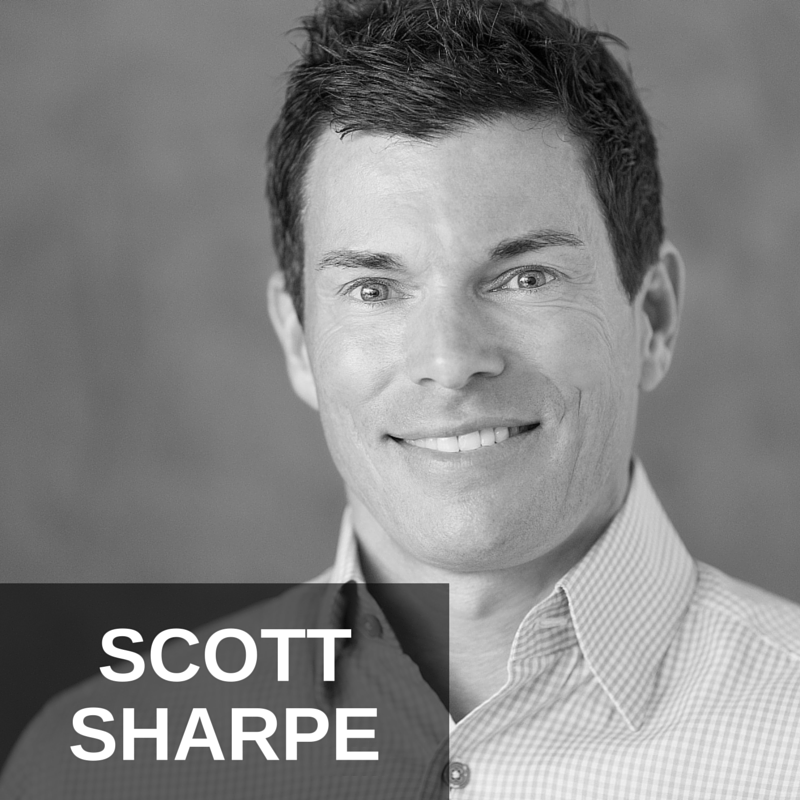
Scott Sharpe comes with an impressive resume in racing and has moved on to the real estate crowdfunding business. He and his team buy notes in bulk and then sell each individual note on KC iFund website. Scott talks to Jason about how the website works, what kind of returns an investor can expect to see, and more.
Key Takeaways:
2:00 – Scott shares a little bit about his background and experience.
6:20 – Investors can put in as little as they want and still earn the same percentage as the larger investor.
10:10 – KC iFund co-invests with the investor who has purchased a note from them.
12:40 – Scott talks about his partner’s experience in the note industry.
14:25 – KC iFund only invests in first position performing and non-performing notes.
15:10 – RealInvest.com allows unaccredited investors to participate in real estate investing.
Tweetables:
“The minimum changes on each deal, but the minimum is roughly about $2,000-3,000.”
“Buying at a deep discount, that’s the first key.”
Mentioned In This Episode:
KciFund.com
RealInvest.com
Transcript
Jason Hartman:
It’s my pleasure to welcome Scott Sharpe to the show. He is the co-founder of KC iFund and the owner of Extreme Speed Motorsports, Tequila Patron, ALMS race car driver, Indy car, and American Le Mans and United SportsCar Championships. Scott, welcome, how are you?
Scott Sharpe:
Doing great today, thanks for having me on the show.
Jason:
Good, good. Well, before we talk about crowdfunding, which is obviously a hot topic, let’s talk a little bit about racing and I don’t know how good my intro was, because I don’t know what ALMS stands for, for example. I bet our listeners don’t either. Can you tell us a little bit about your back ground?
Scott:
Sure, sure. It’s funny. I grew up in a very entrepreneurial family. My dad was in the car business and raced on the side sort of for fun. I grew up in Connecticut and I started racing Go Karts when I was about 8 years old and sort of just following along in his foot steps. From the racing perspective as well as being very entrepreneurial. Always, I sold beads and Christmas cards door-to-door as a kid. He had a couple of dealerships. I started buying junker type cars when I was like 12-13 years old, didn’t have a licensee, and would use the resources of the dealership, the body shop or mechanics to help fix these things up and then sell them.
So, that sort of filtered over a little bit, even though we’re not talking at this moment, my dad was pretty large investor on the side in various real estate projects, which took me to them and explained to me and at an early age I started to sort of actively invest a little bit with him, so basically that was sort of my upbringing. I went to Babson college up in Boston and I raced at the same time I was going to school and literally I basically turned professional during my junior year there and I got out of school two years later. I had worked my way up in the Indy car series. So, I raced there for about 13 years. Started in sort of SportsCars, went to Indy cars, and now about five years ago switched back to SportsCars.
Jason:
Well, what’s the fastest you’ve ever driven?
Scott:
Fastest I’ve ever driven would be in Indianapolis back before they sorted started to slow the cars down a little bit, but then about 242 miles an hour.
Jason:
Wow! 242 miles an hour on land. That’s amazing. That’s fast. That’s fast. Well, good stuff. So, tell us about your crowdfunding. Is this a platform for crowdfunding or is it a fund that invests in crowdfunded deals?
Scott:
Well, basically yes. There’s several other co-founders, part of KC iFunding and just recently we announced that we merged with a – formed a partnership around KC iFund with Colonial funding and basically it is a platform that will specialize in distressed properties, distressed notes that we turn into performing notes, and basically we feel like it’s a real advantage to us that we’ve partnered up with Colonial. They have 25,000 members that have a huge strong interest in getting in the note business. So, we’re really excited about that and excited about the potential that crowdfunding has all the way around especially as it relates to real estate.
Jason:
Scott, when I originally learned about your company, I thought, my instant thought was that investing in notes, you know, especially seasoned discounted notes performing, non-performing, maybe, I don’t know if you do both, but you can talk about that. I mean, that’s fairly complicated stuff. It’s complicate to explain. Some thing a real estate deal is complicated, but in my eyes, it’s much simpler than a note, because a note involves the real estate + the note and structure of the capital formation for the deal, so how many notes have been, I guess, crowdfunded through the platform so far?
Scott:
Well, our team has really specialized, has an immense experience at moving over $50 million dollars worth of distressed notes in the private sector and I think as crowdfunding has merged, we’ve just realized, wow, here’s property where a lot of times those notes sold in big packages, you know, we’re buying them from banks at certainty big distressed levels. We vet those in-house. I have quite a lot of experience doing that. A lot of times can turn those into performing, but, you know, like I said a lot of times those are in big large tranches that the average everyday person could never afford and without really a vehicle to package or spread that risk over multiple parties and that’s really what crowdfunding does.
It gives somebody the opportunity to realize that at whatever of investment they want to make, maybe even as little as a few thousand dollars, $5,000, $10,000, they get involved and earn the same level of return, same percentage of return that the guys that are making a huge investments are. So, I think it’s a real awesome way to allow the average young or everyday investor to get involved in share in this opportunity.
Jason:
So, that wasn’t exactly my question though and I appreciate your answer, but I would think that explaining a note deal on a crowdfunding platform, that was my thought behind asking that question, you know, it seems like that’s kind of complicated to explain that to a crowd funding investor and just, before you even tackle that one, just help people understand, you know, what’s the average note size that you’re buying or what are you doing? You’re buying the note and you want the crowd to come along and buy them from you or buy a portion of them from you or just take us through that process in a really simple, easy to understand way.
Scott:
I really think it is rather simple when you recognize that basically we specialize in buying large packages of notes at a certainty distressed level from big banks and our experience really is in vetting them. By serving each one, we work in them sometimes trying to keep a tenant possible in if we can, but basically arranging each of these notes, bringing them to our platform, opening up an investor. Let’s their between $102,000-200,000 per note and allowing the crowd to come in at whatever level they want and make an investment in that.
So, we take all the risk away. We’re always leveraged at the first position on the note, it’s backed by this real estate, so we’ve bought this real estate, this note added this chunk in value, so really I think that protects the investment and we take all the work out of it. It’s our background, our group that, you know, the investment doesn’t have to worry about anything to do if there’s a problem with the property. Anything to do with dealing with the tenant, anything, we involve every step of that process.
Jason:
I just want to make sure the listeners understand what the flow is of this deal. Your company bought a note and then you’re looking to crowdfunded after you own it or what? Explain that.
Scott:
I mean, even though we buy them in packages, take one note.
Jason:
So, you bought a portfolio of notes and then you’re splitting them up and selling individual notes to the crowd, the crowdfunders.
Scott:
Yes.
Jason:
Okay, good. That’s what I needed to know. That’s what the listeners want to know. So, you’ll buy a portfolio of notes and what size is that portfolio on average, how many notes does it include for example?
Scott:
It’ll be several million dollars worth of notes that would encompass a couple of hundred note at a time. It varies.
Jason:
Okay, so, maybe it’s a couple of hundred notes, just as an example, and then on your platform people are basically investing in single notes, is that correct?
Scott:
At this point in time it’s single notes.
Jason:
Yeah, so you bought them, you’re splitting them up and then does the crowd completely buy them from you or are you stilling holding part of the value that note?
Scott;
Well, basically we, you know, we co-invest most of the time. We believe in both our abilities and the deal we’ve structured, so we really want to make it an opportunity where our interests and the investors interests are one. So, investing with the investors, basically we keep a portion of it as our skin, we put skin in the game and then we try to crowd fund 70-80% of the note value.
Jason:
Okay, alright. So, you retain 20-30% of it and then what happens? Do you just get the note reforming. How do you pay the crowd investors?
Scott:
Yes, typically we re-work the note, get the note performing once again, spinning off a positive crash flow, so then we have a monthly income coming in that investors get to realize and partake in and then we look to sell that note. Usually in a time frame about 24 months down the road where we feel there’d be a very positive upside gain on the end.
Jason:
Alright. So, you’re reselling the note and then you cash the crowd out, right?
Scott:
Correct.
Jason:
Okay, got it and what type of returns is the crowd getting on these deals and when I say the crowd I mean the investors, you know, the people that are – what do they put in, like a $1000, is that kind of a minimum investment? A $1,000?
Scott:
I mean, we have some people where they want to take let’s say a $100,000 note that they wanna take the majority of themselves. Some people only want to put $5,000 in or $2,000 in, but that’s the beauty of this. The investor gets to determine.
Jason:
Okay, what’s the minimum?
Scott:
It changes on each deal, but the minimum is roughly about $2,000-3,000.
Jason:
Okay, so $2,000-3,000 and what kind of returns they get after, what do you say, two years? Is that kind of the horizon.
Scott:
Anywhere from 12-18%.
Jason:
How do you know they’ll get that? Like, what happens in the deal to generate that return?
Scott;
Well, it’s factored into the distress value we bought it at when we turn the notes into performing and there’s the monthly income and then especially the depreciated price that we bought it for combined with the depreciating market, we expect the return to be fairly substantial on the end.
Jason:
So, teach our listeners if you would something about the note business. I think a lot of them would be interested in that and that would also make them more interested in investing probably a crowdfunded note. What can you tell them about, you know, the trade of buying and selling notes? The art and science of it, if you will.
Scott:
Well, fortunately my co-founder and partner Anand Patel, his back office staff of the guys who have immense specialty in note trading, note buying, note selling. He’s been doing that for over five years, has moved more than 50 million dollars, as I’ve mentioned already, in notes. Has some great strategic relationships within the business, so he really is the master at this, but has worked very hard to, I think, he passes up on a lot of deals, always works to buy these at the deepest discount to protect not only himself, but all the investors. Create as much upside as possible. Buy them at such a discount that you know you’re very well protect.
Jason:
So, buying at a deep discount. That’s the first key and what kind of discounts can you expect on different classes of notes and are you doing all classes. I mean, they are really four, the way I look at it, there are four basic classes of discounted paper, there’s first trust deeds preforming, first trust deeds; or first position I’ll say, because it depends on the state; And first position non-performing; where they’re in default; And then there’s second position performing and second position non-performing. Are you doing all four of those types?
Scott:
We only specialize in first position. So, we always want to be have that added protection as well.
Jason:
Okay, so first position performing and non-performing?
Scott:
And non-performing, yes.
Jason:
Okay, so you basically do two of the four categorizes, right?
Scott:
Really I think developed the specialty for taking a lot of the non-performing and being able to re-work them and turn them into performing. At the same time, we’re in the middle of creating a platform called real invest. That’s going to take damage of the newly regulation A that was just passed. We are very excited about our KC iFund partnership with Colonial funding, but we also are in the midst of creating a platform called Real Invest, which will really take advantage of the passed regulation A just passed a few weeks ago that opens the door for all unaccredited investors will now be able to participate in crowdfunding real estate. We all, I think, believe that’s going to really open the doors for a lot more investing and a lot more individuals to get involved in the opportunity.
Jason:
Good, good stuff. Give out your website if you would.
Scott:
Well, it’s KciFund.com and then also eventually we’ll be RealInvest.com
Jason:
RealInvest.com. Okay, great. Scott Sharpe. Thank you so much for joining us!
Scott:
Thank you for the time!
Announcer:
This show is produced by the Hartman Media Company, all rights reserved. For distribution or publication rights and media interviews, please visit www.hartmanmedia.com or email media@hartmanmedia.com. Nothing on this show should be considered specific personal or professional advice. Please consult an appropriate tax, legal, real estate or business professional for individualized advice. Opinions of guests are their own and the host is acting on behalf of Platinum Properties Investor Network Inc. exclusively.